How to Improve Irrigation Efficiency with Modern Tools

Water is one of the most critical resources in agriculture. Yet, across farms in Nigeria and beyond, water mismanagement remains a major challenge leading to reduced crop yields, high operational costs, and environmental degradation. Improving irrigation efficiency is no longer a luxury but a necessity for any farm that aims for productivity and sustainability.
At PMIS NIG. LTD, we understand the role of modern tools and technology in transforming water use on farms. This article explores how you can improve irrigation efficiency, reduce water waste, and maximize your farm’s output using practical, modern solutions.
The Importance of Efficient Irrigation
Efficient irrigation ensures that crops receive the right amount of water, at the right time, in the right way. The benefits include:
- Higher Crop Yields
- Reduced Water Waste
- Lower Operational Costs
- Healthier Soils and Crops
- Improved Climate Resilience
Inefficient irrigation not only wastes water but also affects plant health, increases disease risks, and can lead to soil erosion or nutrient leaching.
Modern Tools to Improve Irrigation Efficiency
Here are some of the most effective tools and technologies used by forward-thinking farmers and agribusinesses to optimize irrigation:
1. Drip Irrigation Systems
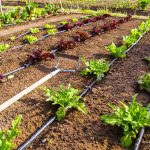
Drip irrigation delivers water directly to the root zone of plants through a network of pipes and emitters. It minimizes evaporation and runoff, making it ideal for crops like vegetables, fruits, and even plantations.
Benefits:
- Up to 90% water-use efficiency
- Healthier crops with fewer diseases
- Reduced labor requirements
2. Sprinkler Systems
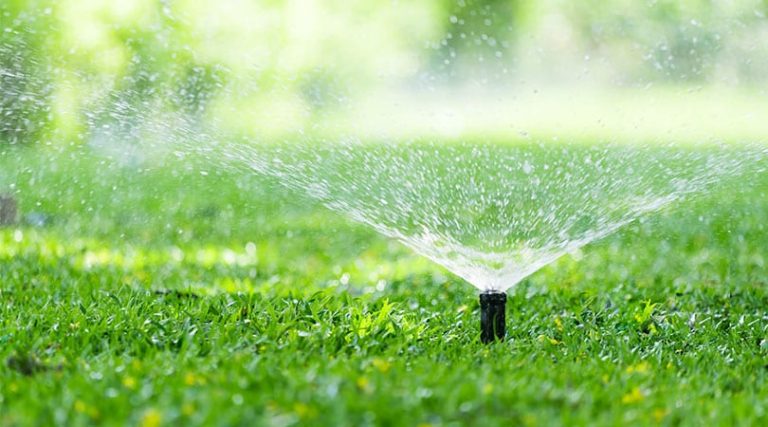
Sprinkler systems distribute water evenly across the farm, simulating natural rainfall. They are suitable for a wide range of crops and farm sizes.
Benefits:
- Uniform water distribution
- Reduced soil compaction
- Easy to automate and adjust
3. Soil Moisture Sensors
These sensors measure the moisture content of the soil, providing real-time data to guide irrigation decisions. Farmers can avoid overwatering or underwatering by using these tools.
Benefits:
- Precise water application
- Prevents waterlogging and plant stress
- Supports data-driven farm management
4. Smart Irrigation Controllers
These automated systems allow you to schedule and control irrigation remotely, often integrating weather forecasts and soil data for optimal performance.
Benefits:
- Reduced human error
- Water savings of up to 50%
- Convenience and better time management
5. Water Storage and Management Systems
Rainwater harvesting, water reservoirs, and efficient water distribution networks ensure farms have reliable access to water, especially during dry seasons.
Benefits:
- Consistent water supply
- Reduces dependence on unreliable rainfall
- Improves farm resilience during droughts
Best Practices for Irrigation Efficiency
Beyond tools, here are simple practices to help maximize efficiency:
- Irrigate during cooler times (early morning or late evening)
- Regularly inspect and maintain your irrigation systems
- Group crops with similar water needs together (zoning)
- Train farm workers on modern irrigation techniques
- Seek expert guidance for system design and setup
Modern tools and smart water management are key to improving irrigation efficiency, boosting yields, and reducing operational costs. Whether you’re a smallholder or managing large plantations, investing in the right irrigation solutions protects your crops, conserves water, and enhances profitability.
At PMIS NIG. LTD, we specialize in helping farmers and agribusinesses integrate modern irrigation systems tailored to their specific needs.