How Modern Irrigation Techniques Boost Yield and Reduce Water Waste

In today’s agricultural landscape, improving farm productivity while conserving resources is no longer optional — it’s a necessity. For farmers, agribusiness investors, and agricultural consultants, one of the most effective ways to achieve this is by embracing modern irrigation techniques.
At PMIS NIG. LTD, we have seen firsthand how smart irrigation solutions not only increase yields but also reduce water waste, saving costs and promoting sustainability. Here’s how modern irrigation is transforming farms across Nigeria and beyond.
The Challenges with Traditional Irrigation
Many farms across Nigeria still rely on outdated or inefficient irrigation methods such as manual watering, flood irrigation, or inconsistent rainfall. These methods often lead to:
- Water wastage
- Uneven crop growth
- Soil erosion
- Reduced yields
- Higher operational costs
With changing climate conditions and increasing demand for food, these challenges threaten farm profitability and long-term sustainability.
The Benefits of Modern Irrigation Techniques
Modern irrigation systems offer a targeted, efficient, and sustainable approach to watering crops. Here’s how they make a difference:
1. Increased Crop Yields
Drip irrigation, sprinkler systems, and other modern techniques deliver water directly to plant roots, ensuring crops get the moisture they need to thrive. Studies show that well-managed irrigation can increase yields by 20% to 50%, depending on the crop.
2. Water Conservation
Advanced irrigation technologies reduce water waste by up to 60% compared to traditional methods. Systems like drip irrigation and soil moisture sensors ensure only the necessary amount of water is used, preserving water resources and cutting costs.
3. Improved Efficiency
Modern systems allow for precise scheduling, automated watering, and zoned irrigation, meaning different crops or farm sections can receive water based on their specific needs — maximizing efficiency and minimizing labor.
4. Healthier Soils and Crops
Overwatering and waterlogging are common problems in poorly managed farms. Modern irrigation reduces these risks, preventing soil degradation and promoting healthy crop development.
5. Reduced Labor and Operational Costs
Automated irrigation reduces the need for constant manual supervision, freeing up time and reducing the cost of labor, especially on large farms.
Popular Modern Irrigation Techniques
Some of the most effective irrigation solutions used by forward-thinking farmers and agribusinesses include:
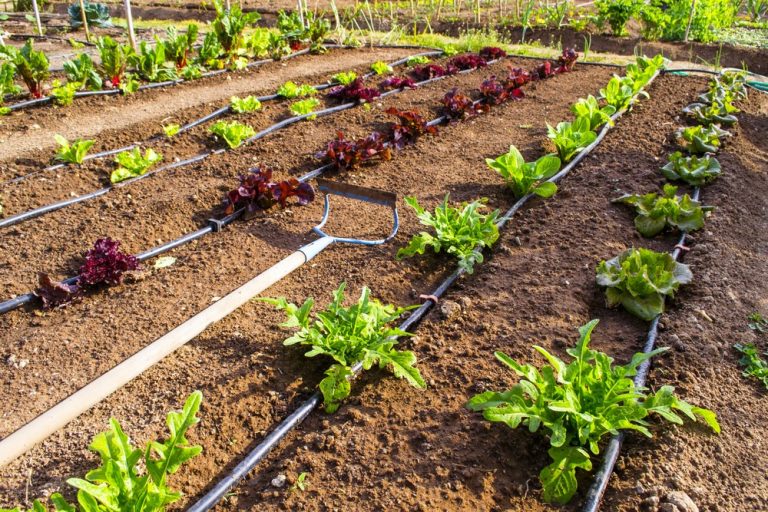
- Drip Irrigation: Delivers water slowly and directly to plant roots, reducing evaporation and runoff.
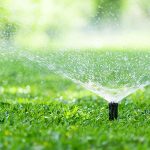
- Sprinkler Systems: Evenly distribute water across wide areas, ideal for grains, vegetables, and other field crops.
- Center Pivot Irrigation: Efficient for large-scale plantations such as oil palm, rubber, or grains.
- Soil Moisture Sensors: Help determine exactly when and how much to irrigate, reducing guesswork.
- Smart Irrigation Controllers: Allow remote monitoring and automated adjustments based on weather or soil conditions.
Why This Matters for Nigerian Agriculture
With Nigeria’s vast arable land and growing population, modern irrigation is key to achieving food security and agricultural profitability. By investing in these technologies, farmers and agribusinesses can:
- Increase food production
- Reduce water consumption
- Improve climate resilience
- Enhance profitability and returns on investment
At PMIS NIG. LTD, we provide consultancy and project management services that incorporate modern irrigation solutions into farm establishment and management. Whether you’re setting up a small farm or managing large plantations, we can help you integrate irrigation strategies that maximize productivity while conserving precious water resources.
Modern irrigation is no longer a luxury — it’s a strategic necessity for any farm or agricultural project that aims for efficiency, sustainability, and profitability. With the right techniques, Nigerian farmers can achieve higher yields, reduce costs, and play a vital role in building a food-secure future.